Hey, "Life Coach," Get A Life.
The modern digital landscape has birthed a new breed of secular prophet: the "Online Life Coach." Armed with ring lights, a library of therapy-speak buzzwords, and an unearned sense of moral authority, these influencers have turned personal growth into a weaponized commodity. Nowhere is this more apparent than in the career of B.P., a man whose transition from fitness model to "conscious healer" serves as a blueprint for everything wrong with the influencer-to-coach pipeline.
The problem with the B.P.s of the world isn't just their lack of accredited clinical training, though the jump from posing in underwear to diagnosing collective trauma is a leap that would make an Olympic long jumper blush. The real issue is the toxic fusion of "life coaching" and "cancel culture" used as a marketing tool.
The Grift of "Conscious" Correction
For influencers like B.P., cancel culture isn't a social phenomenon to be navigated, it’s a product to be sold. They position themselves as the ultimate arbiters of morality, using their platforms to publicly "call out" peers under the guise of accountability. But look closer, and the "conscious" mask slips. This isn't about social justice it is about brand positioning. By tearing others down, they elevate their own status as the only "safe" or "awake" authority in the room.
It’s a brilliant, if predatory, business model:
• Create a climate of fear and moral perfectionism.
• Publicly shame those who fail to meet your shifting standards.
• Sell the "healing" or "coaching" necessary to fix the very anxiety you’ve helped create.
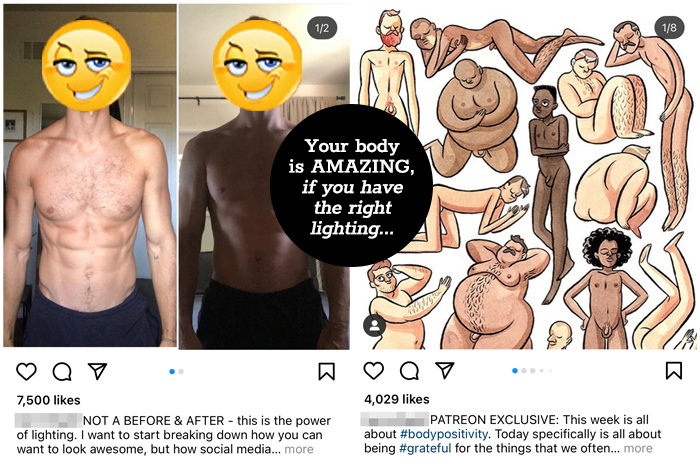
no BP, no. our bodies look amazing even in bad lighting. so stop telling us to have body positivity just days after you tell us shitty lighting makes us look shitty.
The Guru Complex
The online life coach thrives on a parasocial power imbalance. They curate a life that looks aspirational—sun-drenched vistas, perfectly messy hair, and an endless stream of "vulnerable" revelations—to convince you that they have cracked the code of existence.
When someone like B.P. speaks on "toxic masculinity" or "trauma," it’s rarely with the nuance of a professional who understands the complexities of the human psyche. Instead, it’s delivered as a series of bite-sized, absolute truths designed for Instagram shares. They don't want you to think; they want you to follow. They aren't interested in your growth unless it’s mediated through their $500-an-hour "discovery calls" or "masterclasses."
The Danger of the "Unlicensed"
We live in an era where "I’ve been through a lot" is considered a substitute for a Master’s degree in Psychology. Influencer coaches bypass the ethical guardrails that govern actual therapists. They don't have a board to answer to, and they don't have to maintain professional boundaries. To them, your trauma is content. Your struggle is a testimonial in waiting.
When B.P. and his ilk use their platforms to navigate the "cancel culture" of the gay community or any other subculture, they are often just fueling the fire to keep the spotlight on themselves. They turn genuine community disagreements into personal dramas where they are always the protagonist—the misunderstood healer fighting against a "toxic" world.
The rise of the influencer life coach is a symptom of a lonely, digitally-obsessed age. We are so desperate for direction that we’ve started taking life advice from people whose primary skill is knowing which filter makes them look most "authentic."
It’s time to cancel the cult of the online coach. True healing doesn't happen in a comment section, and wisdom isn't found in the feed of someone who spends eight hours a day editing videos of themselves crying. If you want to change your life, put down the phone and find someone who cares more about your progress than their engagement metrics.